
This post contains affiliate links, many which go to Amazon and are Geo-Affiliate links to nearest Amazon store.
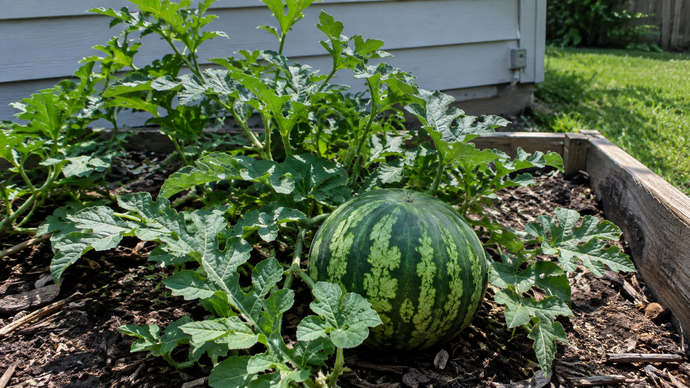
Recently, I decided to grow watermelons, and honestly, it is not as difficult as many people might think. However, it is not simply a matter of planting the seeds like you would with any other plant. What I mean is that you do not need to be an expert farmer to grow your own watermelon at home.
Therefore, in this article, I’ll show you how you can do it, including some useful product recommendations that can help you throughout the process so you can grow them like a true professional.
What should you consider when it comes to the climate?
You may not know this, but watermelons love warm weather. For them to grow and develop properly, the ideal daytime temperature is between 24 and 35°C (75 and 95°F). Most varieties usually produce fruit that is ready to eat in around 85 days, making watermelon one of the faster-growing fruits.
Organic watermelon seeds
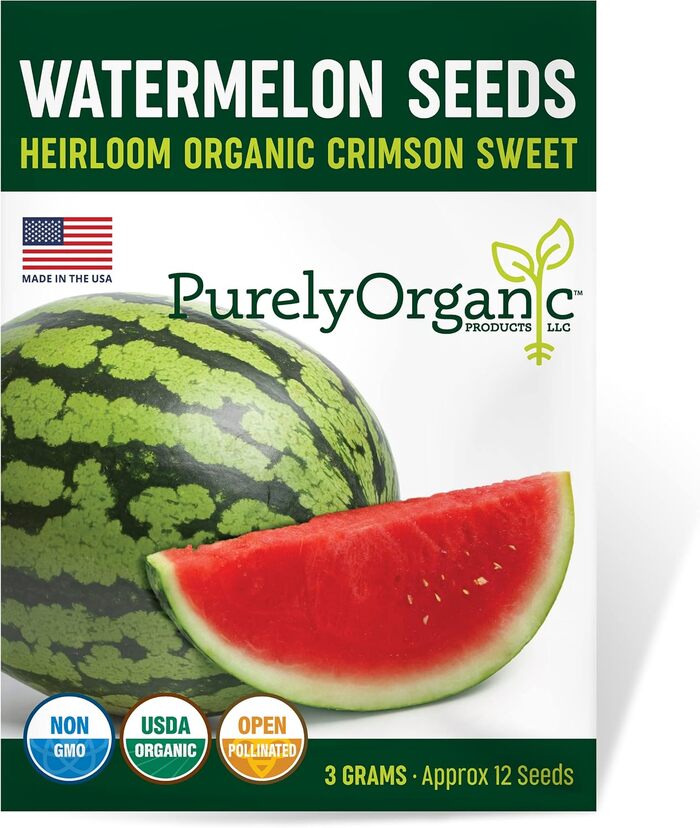
The first thing you need is some watermelon seeds. You can simply buy a watermelon at the supermarket and collect the seeds after washing them and letting them dry in the shade for at least 2 days. Once you have done this, you can use the seeds from practically any watermelon variety.
However, if you want high-quality seeds that are ready for planting, a good option is Crimson Sweet seeds sold by Purely Organic. They include around 12 seeds of the Crimson Sweet variety.
Available here on Amazon
What else do you need?
Seeds alone are not enough. Watermelons love soft soil, especially soil with a sandy texture. They can grow in practically any type of soil as long as it is properly prepared so the roots can spread easily. Therefore, you should avoid extremely compacted soil.
I am a clear example of this. My soil is so hard that it looks like concrete, but I managed to loosen it until it became soft and ideal for the roots to explore new areas without running into problematic compacted sections.
Michigan Peat Top Soil and Organic Compost Blend
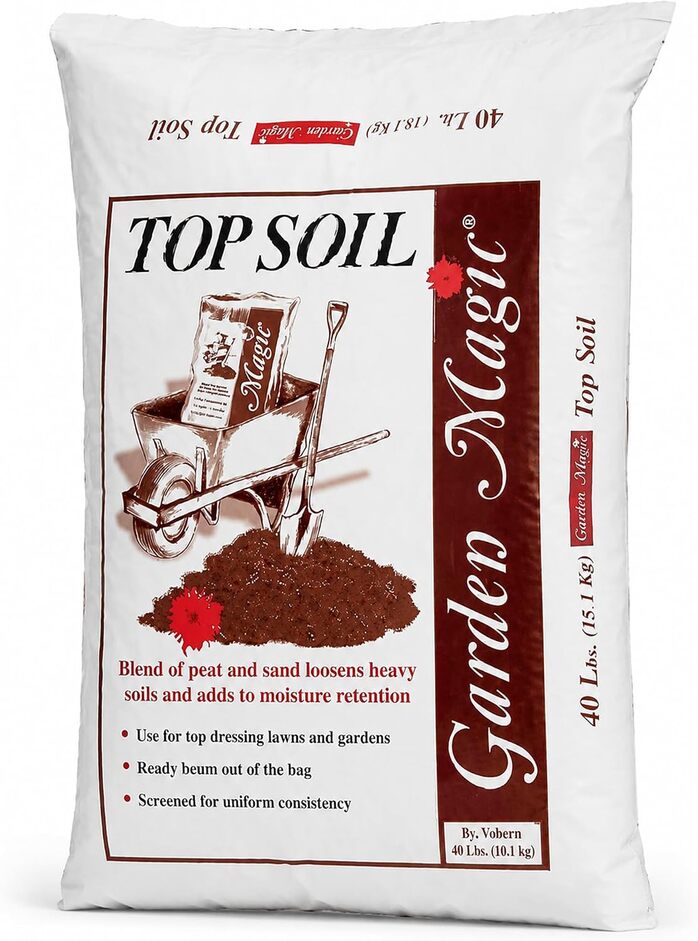
If you think your soil is too difficult to loosen or, on the other hand, you do not have any soil available in your yard, a good option for getting high-quality soil is the 40-pound bag of Michigan Peat Top Soil and Organic Compost Blend. One bag should be enough to plant a watermelon without too many problems, but you can add two bags if you want to provide more coverage for the roots.
This soil has a high organic content, making it great for providing the roots with quality nutrients and helping accelerate growth. Remember that most of the roots establish themselves around 30 cm below the soil surface and grow laterally.
Gardening tools
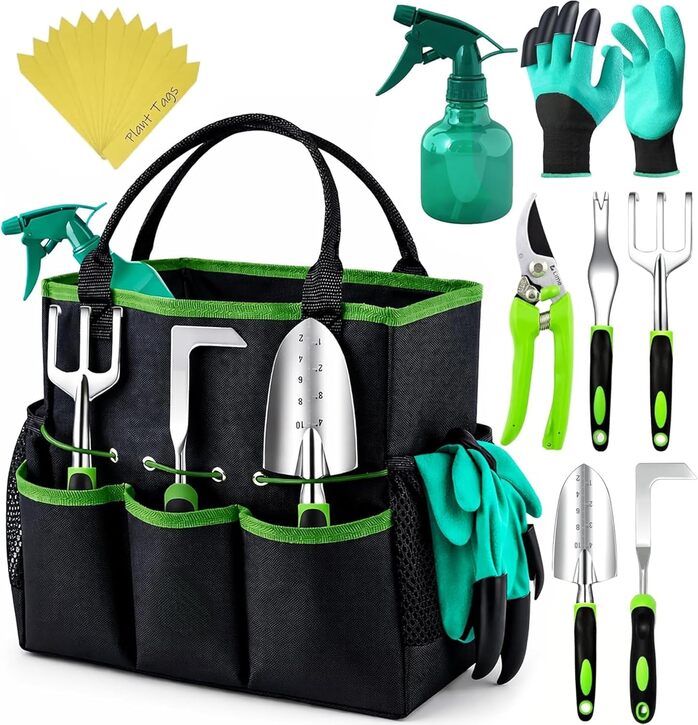
This is a basic gardening tool set that will help you move the soil around and make it softer. It also includes other accessories, so you do not need any large tools. These are more than enough for a small home watermelon garden.
Bonide Captain Jack's Neem Oil
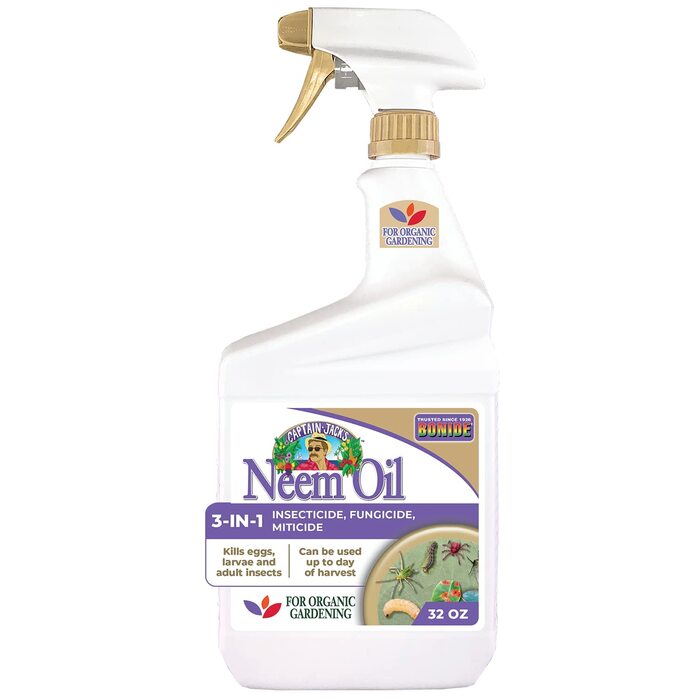
As a plant grows, it can become increasingly vulnerable to insects, which can increase the risk of losing leaves or, in the worst-case scenario, transmitting a disease that eventually kills the plant.
Therefore, one of the most complete and plant-friendly insecticides is Bonide Captain Jack's Neem Oil. It works very well against many common types of insects found on watermelon plants and also provides some additional protection against certain types of fungi and diseases.
So, this is essentially a 3-in-1 product that offers more than just protection against insects such as whiteflies and aphids.
I recommend applying this product once the plant has at least 5 true leaves. Even so, this is considered one of the safer organic products for plants.
The only thing I forgot to mention is watering. Watermelon plants love moisture in the soil, but you should avoid waterlogging. Simply make sure the soil stays consistently moist. You should also avoid getting the leaves wet, as watermelon plants can develop fungal problems on their leaves if they remain wet for many hours, especially overnight.
And that is all. If you do it, remember that there is nothing more satisfying than bragging about harvesting a delicious fruit from your own home.